 Mirandes Hub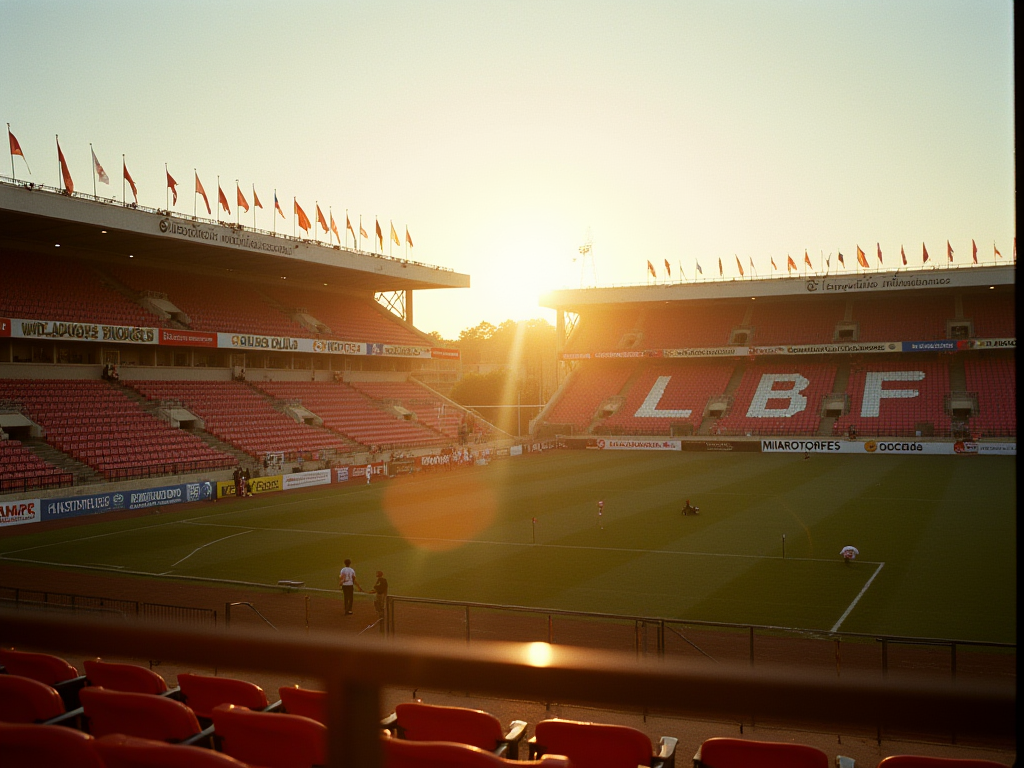
In recent decades, we Rojillos fans have been fortunate to experience magical nights, especially in the Copa del Rey, which have carried the name of Mirandés to every corner of the country. However, the history of our beloved Club Deportivo Mirandés is replete with less publicized but equally transcendental achievements. One of them, perhaps somewhat forgotten by younger generations, was the first promotion to Segunda División B in the 1977-78 season.
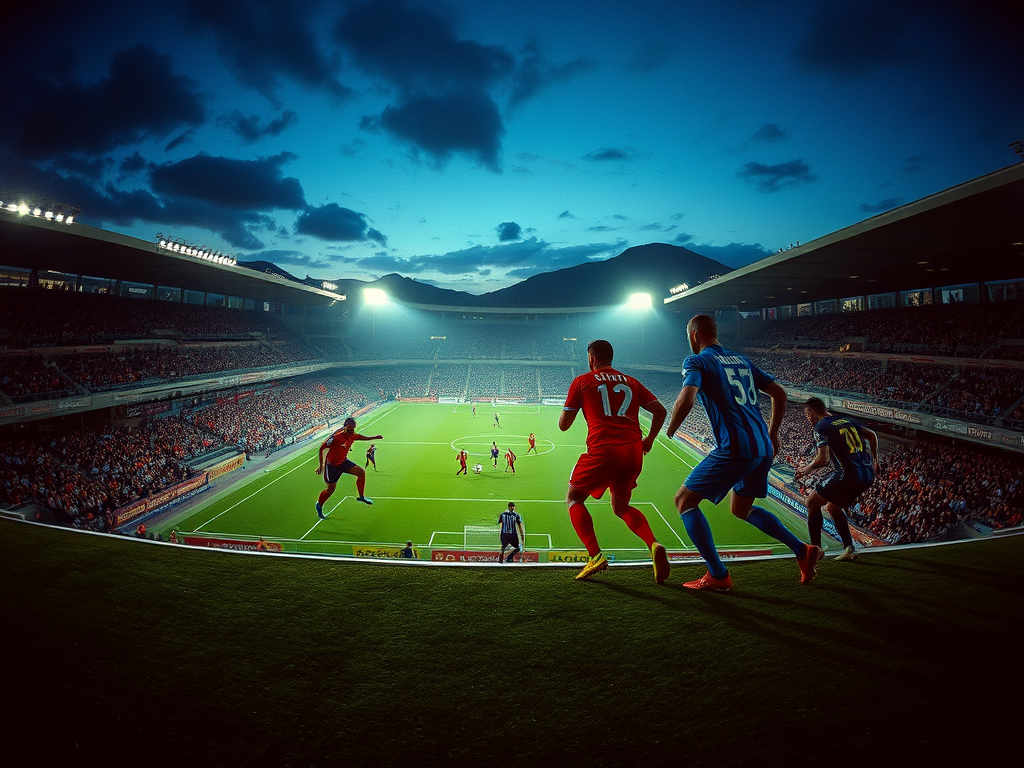
Those were different times, the last gasps of a Spain in full transition, where football was, if anything, even purer and more passionate. The pitches of Tercera División, often dirt or with precarious turf, were true trenches where epic battles were waged. And in that setting, the Estadio Municipal de Anduva stood as the impregnable fortress of Los Rojillos.
The dream of ascending to the bronze category of Spanish football was not an illusion for a modest club like ours. It was a legitimate ambition, fueled by the dedication of a committed squad and the unconditional encouragement of fans who filled the stands every Sunday. The players of that era, anonymous heroes to many today, sweated the jersey with a spirit that transcended mere sport. They weren't million-dollar stars, but neighbors, friends, workers who defended their colors with all their heart.
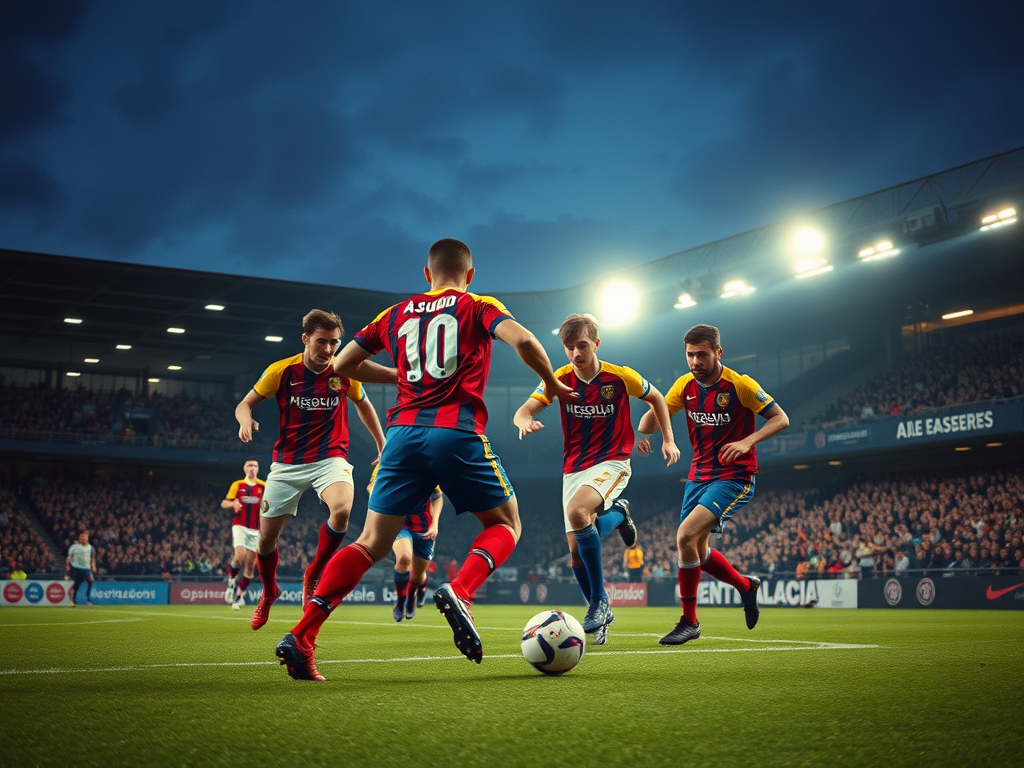
The Tercera División of that time was a melting pot of teams with history and strong youth academies. Every match was a final. But Mirandés, under the guidance of visionary coaches and directors, wove a memorable campaign. Defensive solidity, midfield grit, and the strikers' accuracy combined to make Los Rojillos a formidable contender. It wasn't just about winning, but about competing with pride, demonstrating that a team from a small city could stand toe-to-toe with anyone.
The culmination arrived with that longed-for promotion to Segunda División B. It was a milestone that transcended mere sport. It not only meant competing in a higher category against clubs with greater stature and budget; it meant the consolidation of the Mirandés project, a boost to the hopes of an entire town. The celebrations in Miranda de Ebro were simple but intense, a reflection of collective joy, of the pride of having fulfilled a long-cherished dream.
That achievement was not a flash in the pan. It laid the groundwork for the future, proving that with hard work, humility, and the support from the stands, Mirandés could aspire to greater heights. That 77-78 team taught us that greatness is not measured only by the size of the club or its checkbook, but by the fighting spirit and the connection with its people. It's a legacy that 'endures in the Rojillo DNA and continues to inspire every step we take today at the Estadio Municipal de Anduva. Remembering that feat is remembering where we come from and what we are: a club of the youth academy, of the neighborhood, but with a soul of Primera.